

Alexandre-Louis Martin
Belgian ( b.1887 - d.1954 )
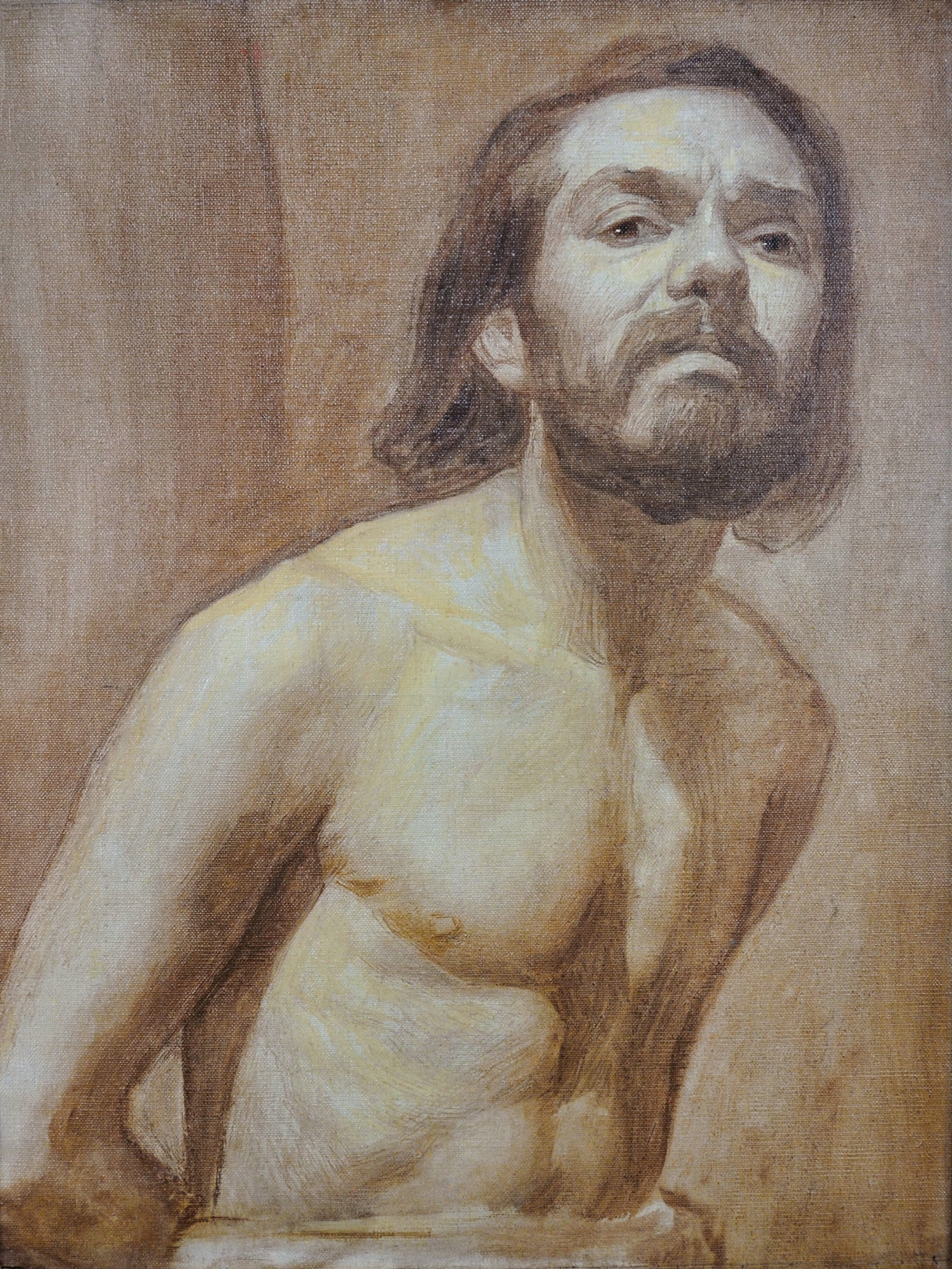
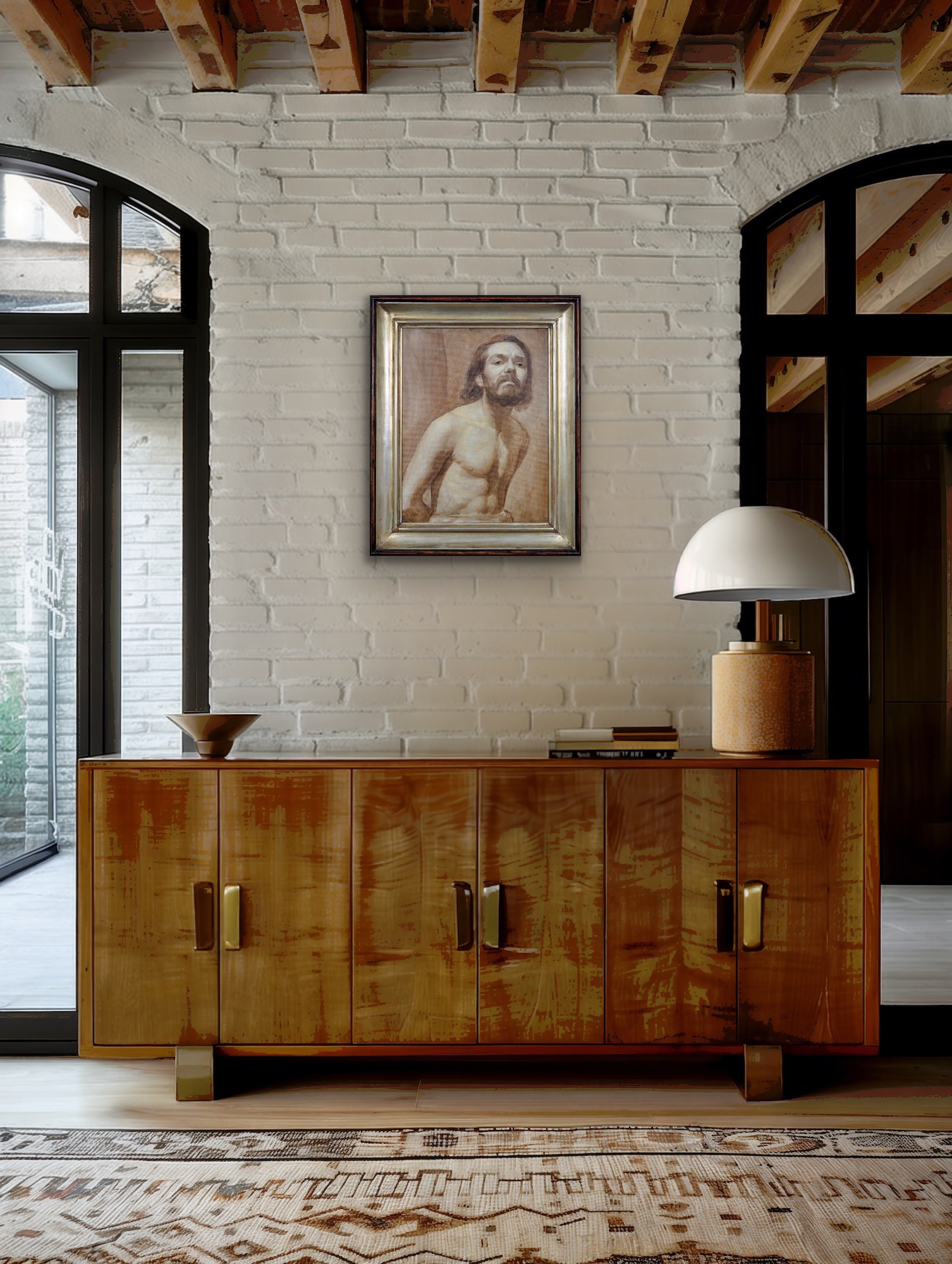
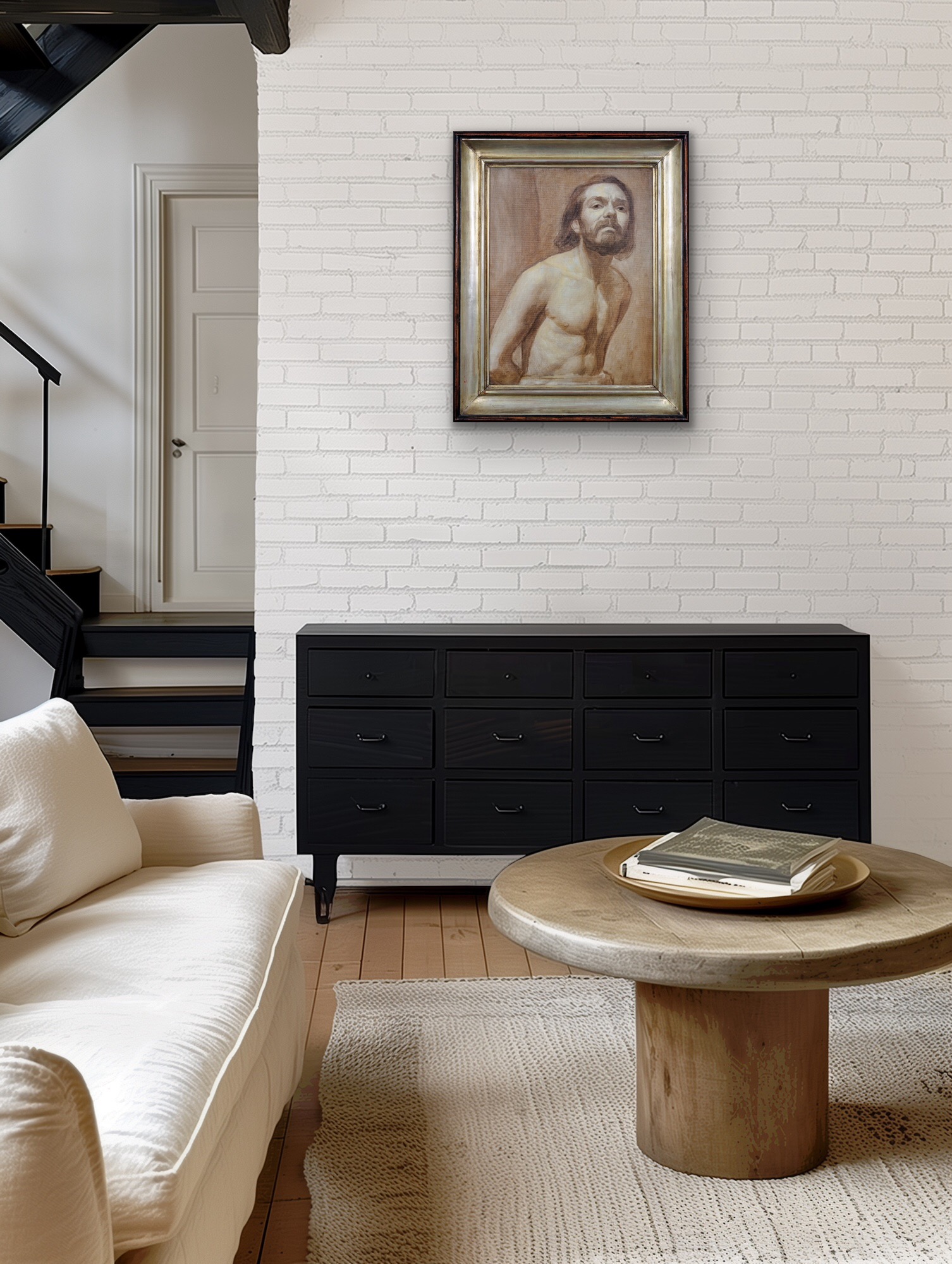
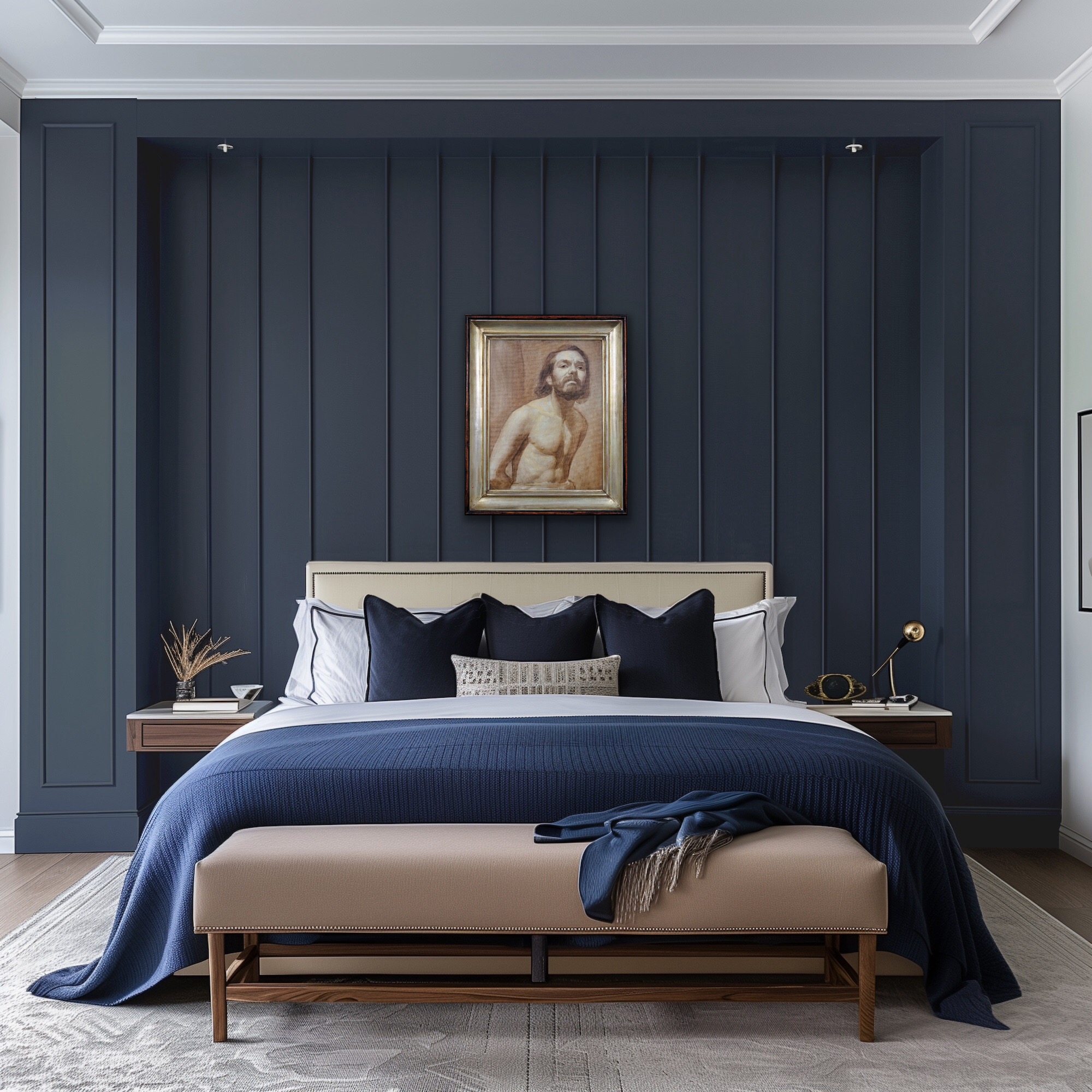
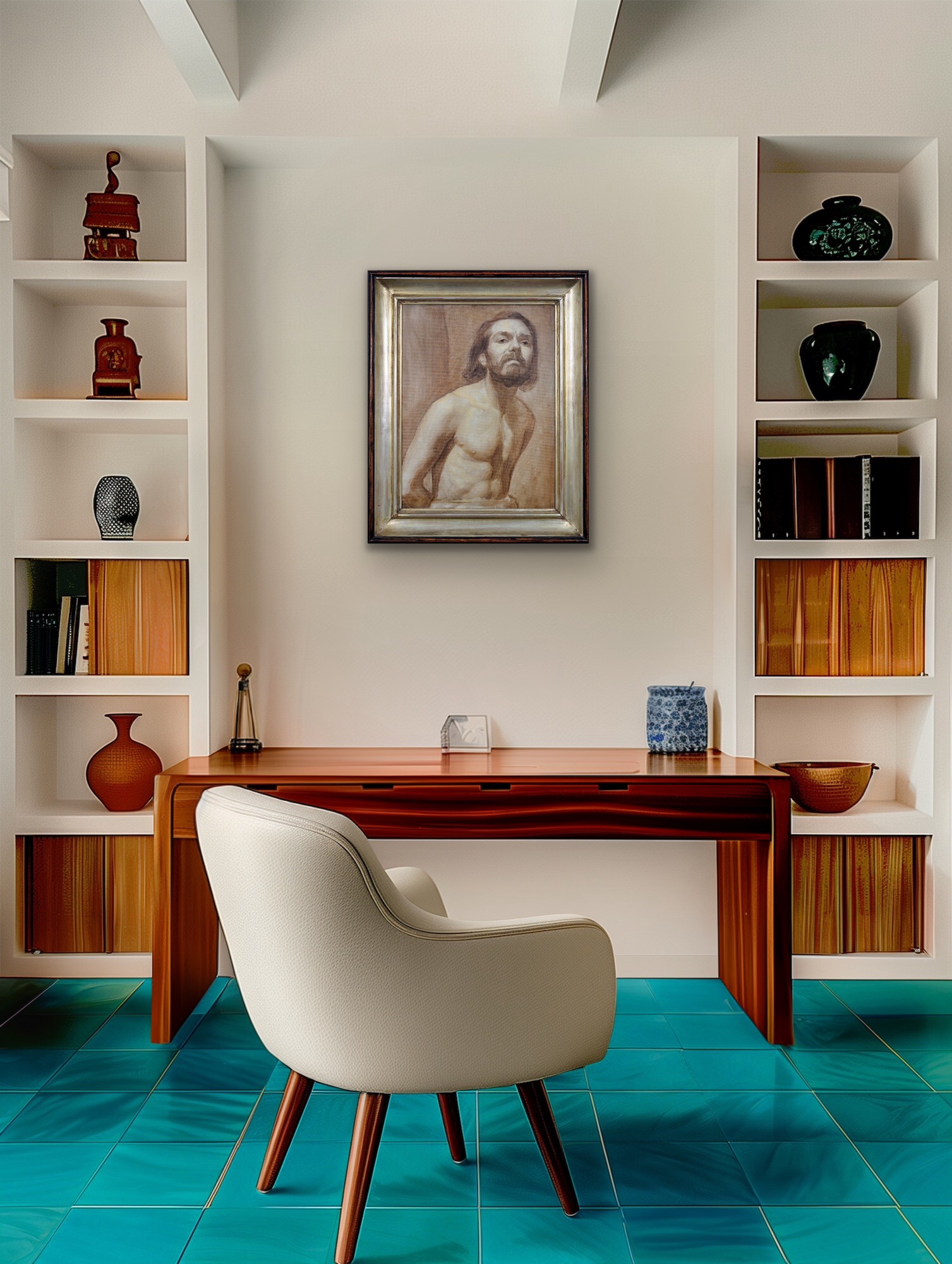
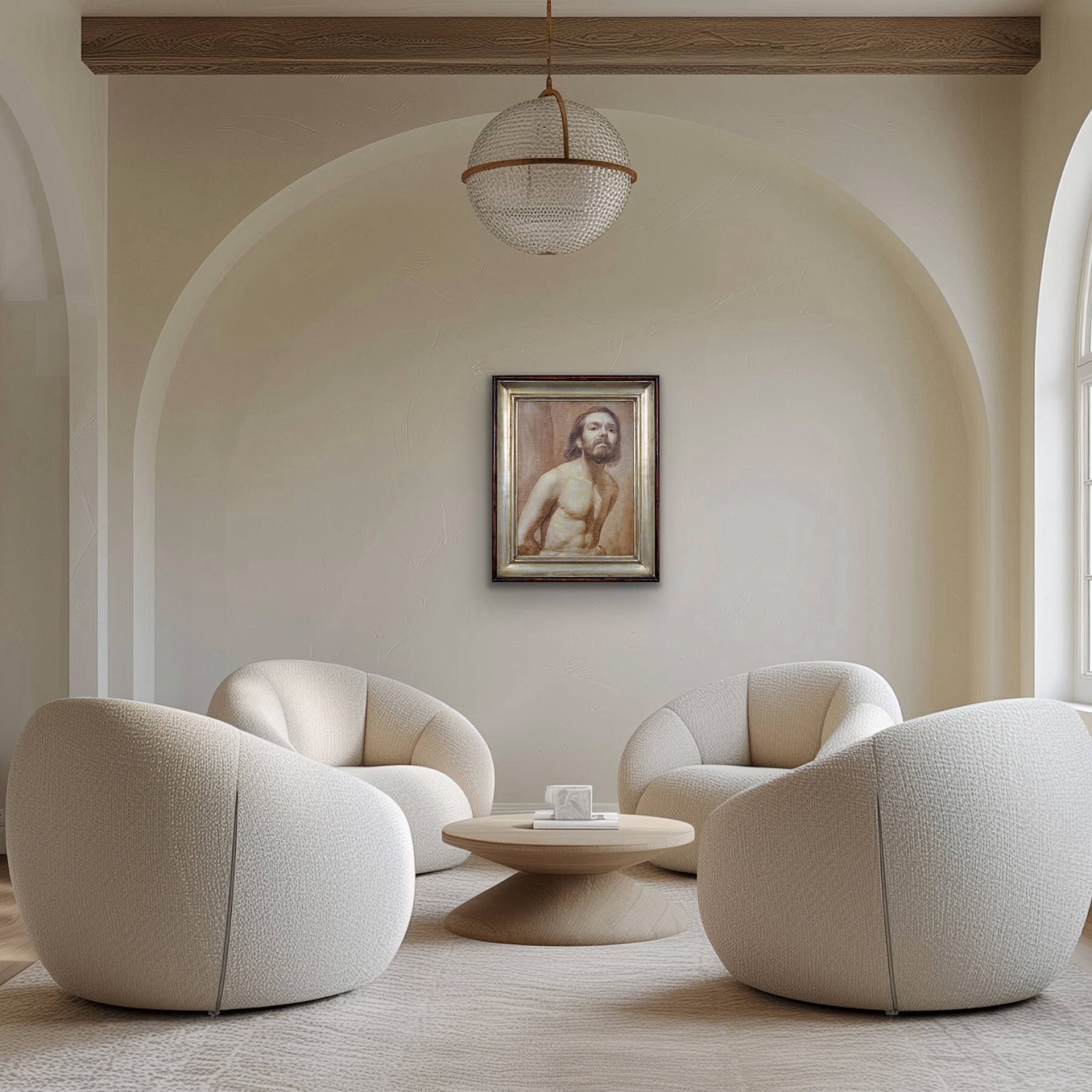
Nude Self-Portrait Of The Artist.
| Image size | 22.4 inches x 16.9 inches ( 57cm x 43cm ) |
| Frame size | 29.7 inches x 24.4 inches ( 75.5cm x 62cm ) |
£2,695.00
Available for sale from Big Sky Fine Art in the English county of Dorset, this original self-portrait oil painting is of and by the Belgian artist Alexandre-Louis Martin and dates from around 1925.
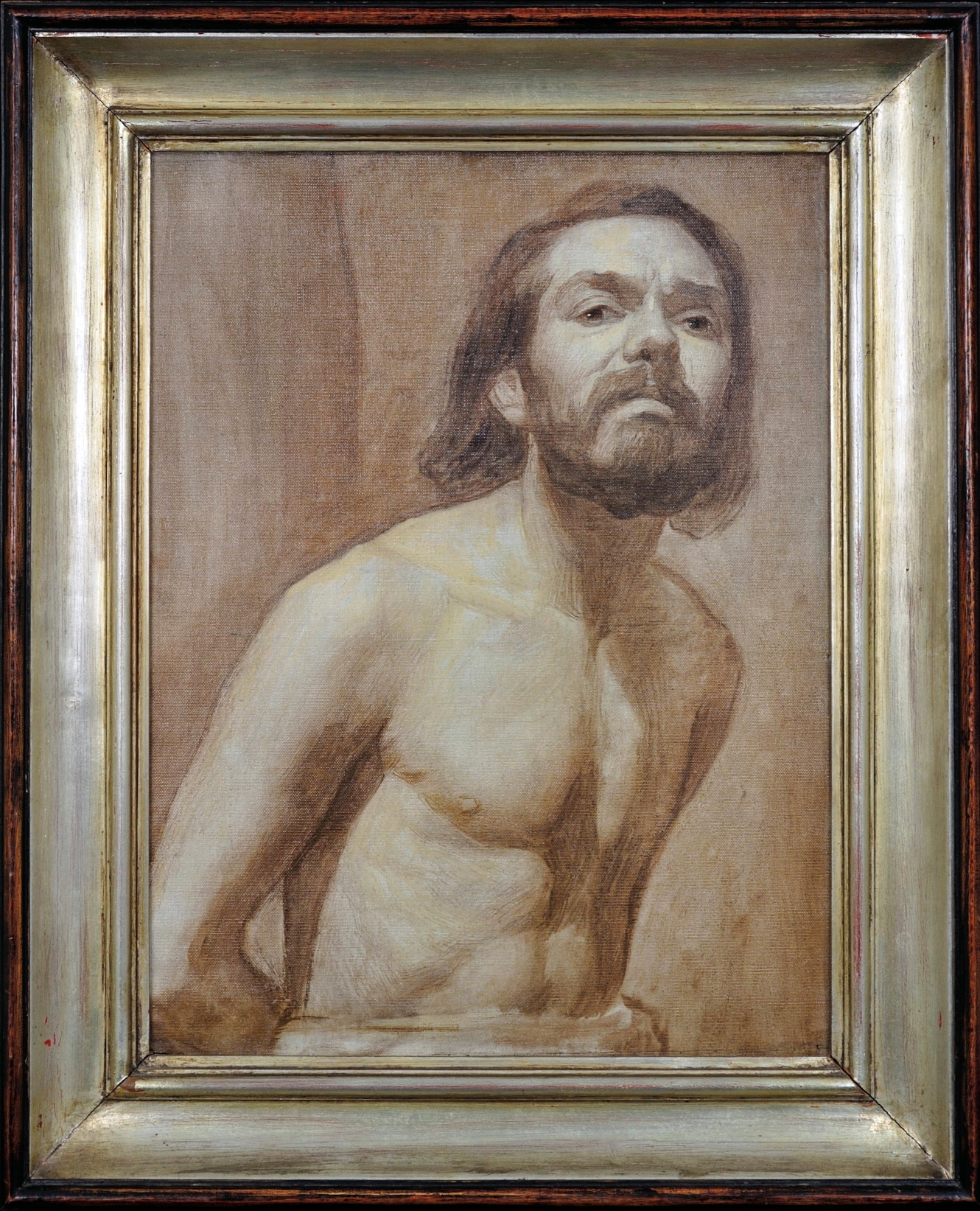
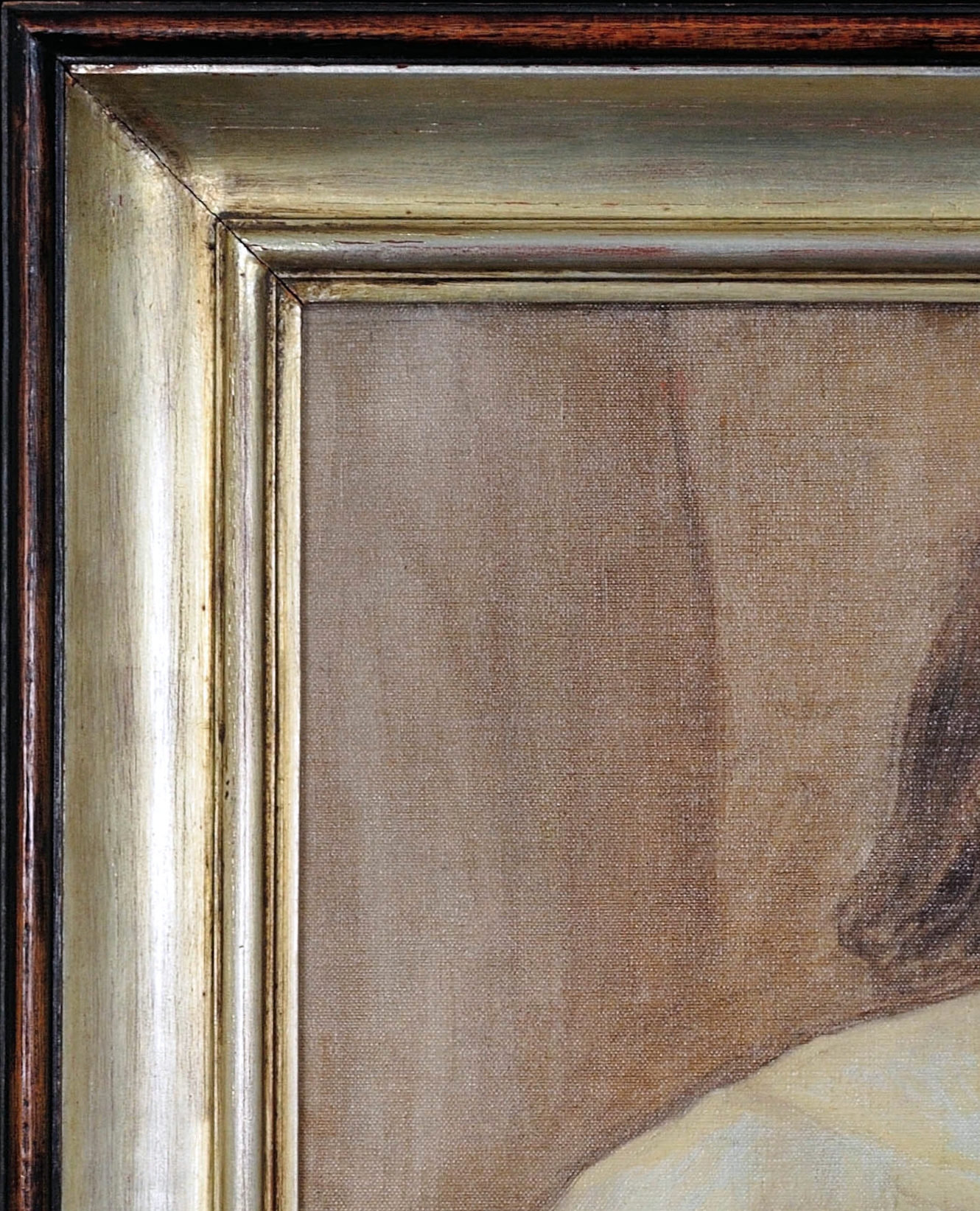
The painting is presented and supplied in its original frame (which is shown in these photographs).
The joints of the frame have been re-mitred, secured and reinforced with braces.
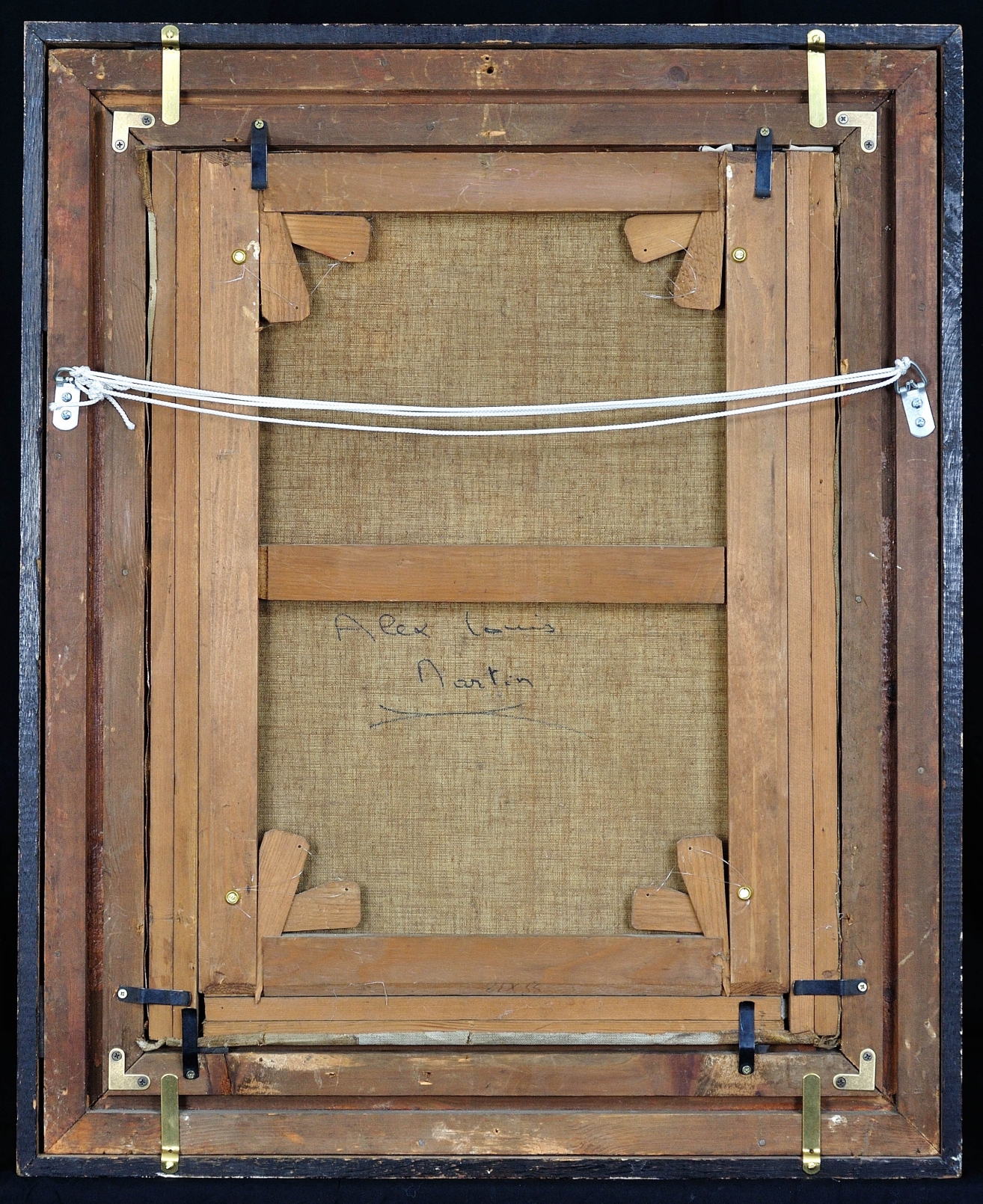
The canvas and the painted surface have both benefitted from cleaning and conservation, which was performed on our instruction, supervision and approval. The canvas stretcher has been re-tensioned.
This antique painting is in a good condition. It wants for nothing and is supplied ready to hang and display.
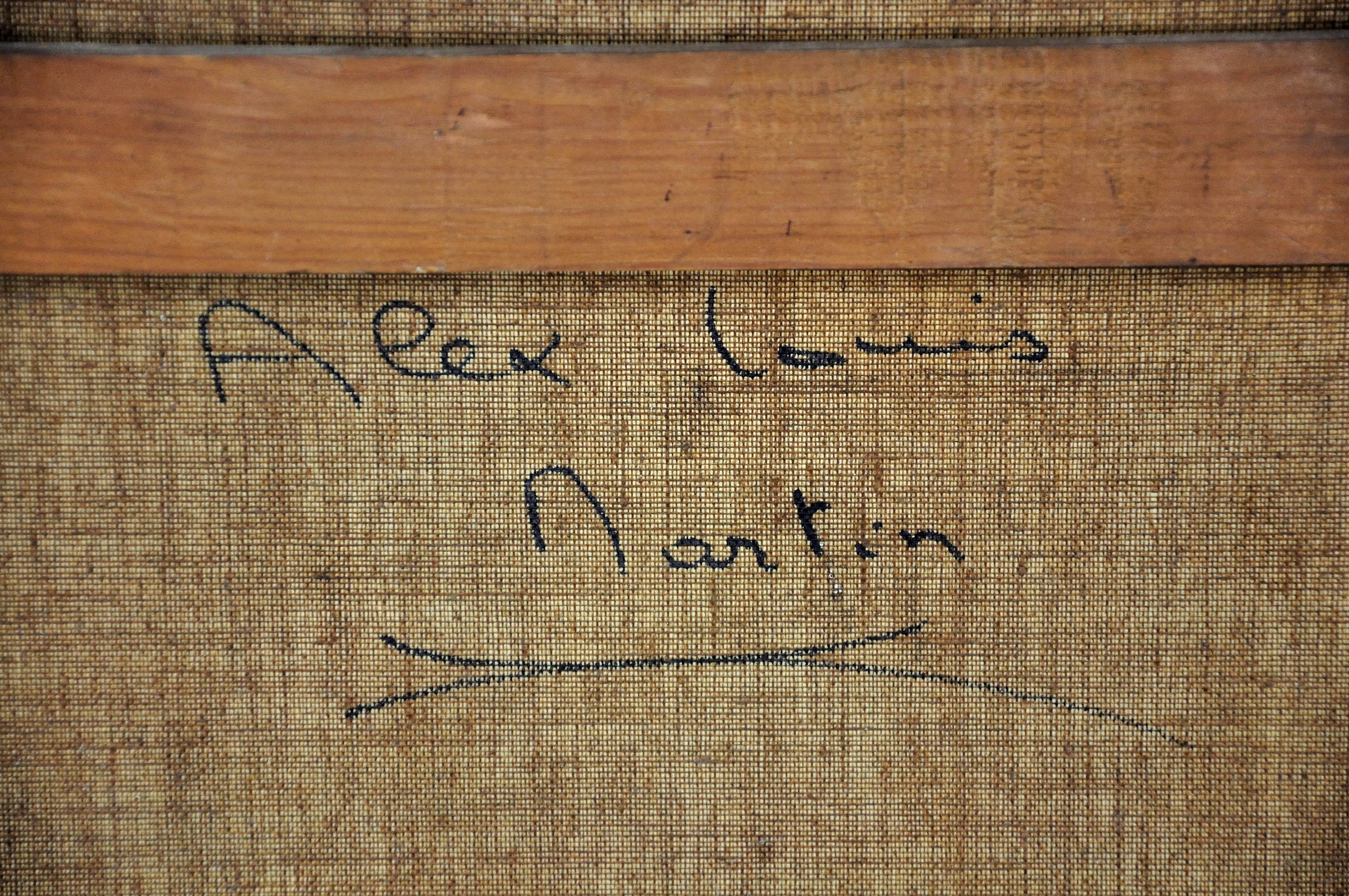
The painting is signed on the reverse of the canvas.
Louis-Alexandre (Alexandre-Louis) Martin was born on 2nd May 1887 in Carnières, Belgium. His family was working-class and very poor. His father, Alexandre Martin, was a miner in the St-Eloi coal mines, and his mother, Aurélia Hainaut, ran a small canteen frequented by miners. He was one of ten children, several of whom died in infancy. His childhood was marked by hardship, including poverty, bereavement and illness, and the rough life of the mining community in the Borinage region very much shaped his sensibilities.
From a young age, Martin showed a talent for drawing, often doing portraits for local miners and others in his neighbourhood. A mining engineer, Mr Poncin at St-Eloi, noticed one of his early works and encouraged his family to let him study art; this led to his admission to the Académie de Mons, where he began his formal art training around 1900. He developed strong drawing skills under the tutelage of local teachers, with the academic emphasis on draughtsmanship. Later he studied in Antwerp and Brussels, including with Joseph Delville.
In about 1908, upon reaching legal adulthood, he went to Paris, where he worked in photographic retouching, hoping to immerse himself in the art world. However, he returned to Belgium not long after, perhaps because the Parisian environment was not as supportive or as fruitful for him as he had hoped.
Martin won early recognition in academies: in Brussels in 1912, he gained a first grand prix in drawing from life or from the antique figure and also had success in Antwerp.
Martin’s art is often described as social-realist portraiture. He painted the working class - miners, metallurgists, mothers, children, elderly of the Borinage with realism, empathy, and detailed drawing.
His works tend to show an emphasis on drawing first: his early training, love of classicism, the influence of Delville and academic traditions show in his strong emphasis on line, form and tonal modelling. Lighting, atmosphere, and contrast were all hallmarks of his work: his early works often had stronger contrasts (shadows vs light) which softened over time. Later in his career Martin painted with more nuance of tone, more subtle transitions, sometimes heavier impasto or “knife painting,” especially after the late 1920s. His portraits often carry psychological depth: not idealised, but honest, occasionally severe, reflecting the hardships of his subjects, perhaps also mirroring his own life.
From 1921 onward Martin regularly exhibited, including at the Salon de la Société Nationale des Beaux-Arts in Paris. By the late 1920s and early 1930s, he was officially recognized: in 1930 he was made Chevalier de la Couronne in Belgium, and the French awarded him the Médaille d’Officier de l’Instruction Publique. The town of his birth, Carnières, inaugurated a museum devoted to his work in 1938: Musée Martin de Carnières. After World War II, a “Ligue des Amis du Peintre Martin” (Friends of Painter Martin) was formed to support his legacy.
In his later years Martin faced health problems; in 1953 he underwent serious surgery and his health declined. Nevertheless he continued working, often in sanguine (red chalk) drawings, and some of his later works explore different techniques (more impasto, alternate modes) even if his prevailing style remained representational and rooted in realistic portraiture.
He died in 1954 in Couillet, aged 66, without heirs.
Martin is often described as a somewhat solitary figure: though acknowledged and honoured, he seems to have maintained a sense of distance from the art world, a sensitivity bordering on melancholy. He is quoted (towards the end of his life) as believing that his art was the only real thing in his life, that “when I work I live; outside of that I hardly exist.”
For Martin, art was more than profession — it was a struggle, a means of survival, and a way to redeem the harshness of his environment. His depictions of miners, mothers, the elderly are not just social commentary but expressions of empathy, of shared suffering. He bridges between social realism and a kind of poetic restraint. He rooted himself in his native region’s people and conditions; his strong drawing discipline, his commitment to humanity of subject, places him among significant Belgian painters of the early to mid-20th century who gave voice to “ordinary people.”
© Big Sky Fine Art
This is an original oil on canvas painting by Belgian artist Alexandre-Louis Martin (1887–1954), dating from around 1925. The work presents a powerful and intimate portrait of a semi-nude male figure, rendered with striking realism and depth. The subject’s contemplative gaze and expressive pose highlight Martin’s mastery of light, anatomy, and tonal balance. The earthy palette and textured brushwork create a timeless quality, reflecting the artist’s early 20th-century European style.
The painting is signed on the reverse and exemplifies Martin’s ability to capture psychological intensity as well as physical form. Collectors of Belgian art, early 20th-century oil paintings, and portraiture will find this piece especially appealing.
 Nude Self-Portrait Of The Artist. - Martin, Alexandre-Louis